AFIA is currently being registered and is not yet providing services. Our current support is funded entirely through personal contributions from the founder and his family. Thank you for your patience and support. Read more…

A Child Tied to Survive: AFIA’s Mission in Action
On March 26, in preparation for World Autism Awareness Day on April 2, I was interviewed by a reporter from Radio Azadi. As our conversation was ending, she paused and said there was a child I needed to see.
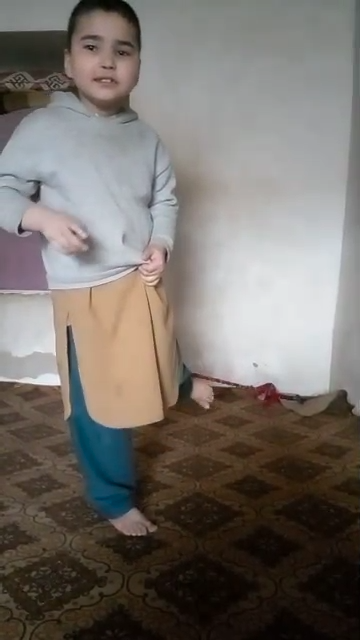
She sent photos. Then a video.
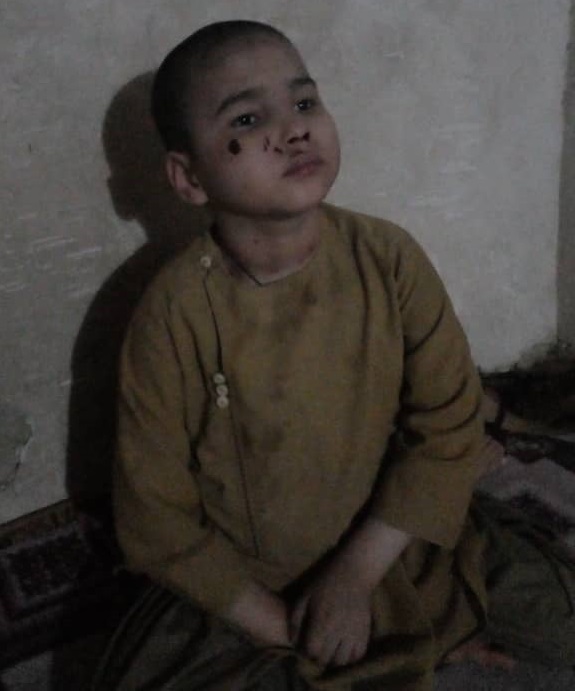
In it, an eleven-year-old boy stood in the corner of a bare room. His foot was tied to a peg fixed into the ground. He moved in small circles, pulling against it, trying to get away but unable to go beyond a few feet.
There was no anger in the room. No violence.
Only desperation.
A Family Without Options
We contacted the family immediately.
They live in a remote village in northern Afghanistan. The father works in town and can only return home one day each week.
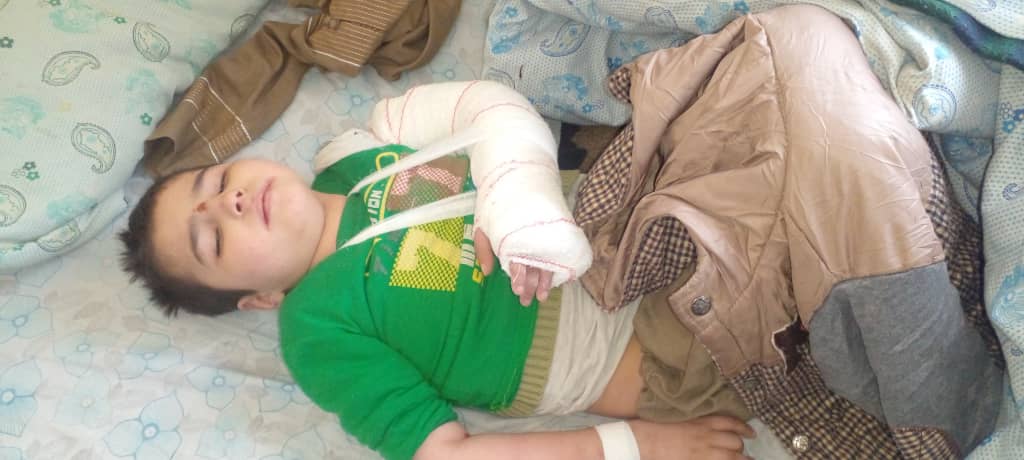
The mother was largely on her own, caring for multiple children while managing a son who wanders and suffers from seizures. In one episode, he fell and broke his arm.
With no diagnosis, no training, and no structured support, she made an impossible decision.
She tied him to keep him from harm.
Later, we learned that two of her younger sisters were available to help at times, including one who lives with a disability in her hand. Their support was informal, untrained, and inconsistent.
The parents had spent years searching for answers. They went from doctor to doctor. They sought help from traditional healers. They spent what little they had. The mother even sold her jewelry trying to find a cure.
Nothing worked.
They were left alone with a condition they did not understand.
AFIA Responds Immediately
AFIA did not wait.
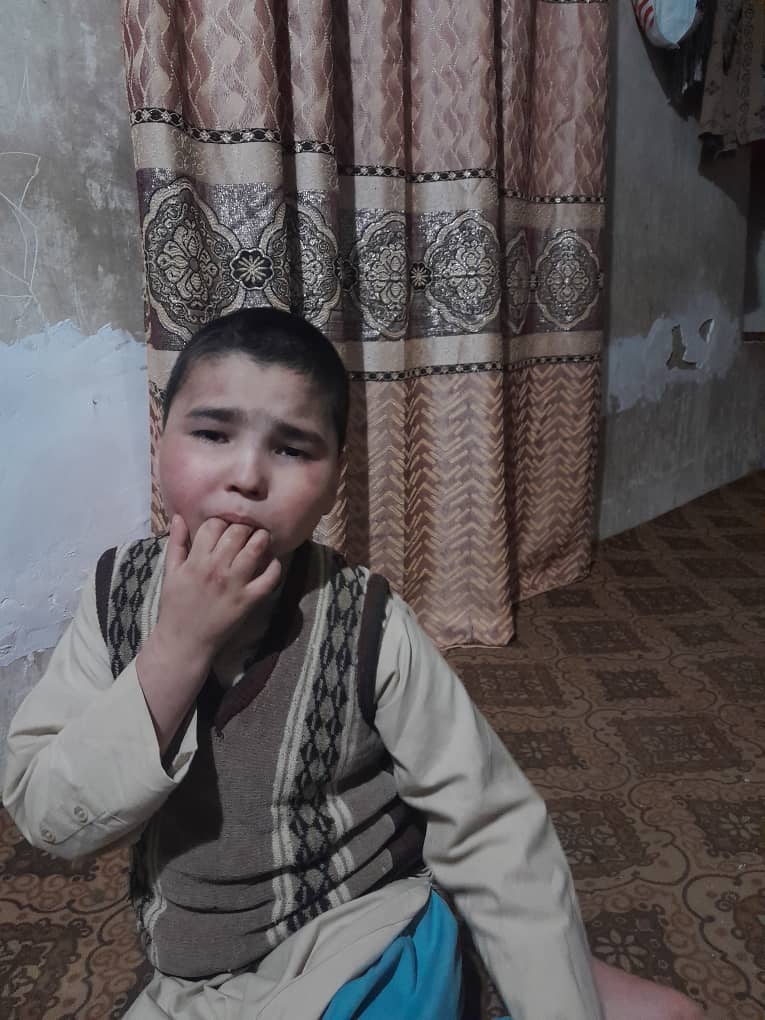
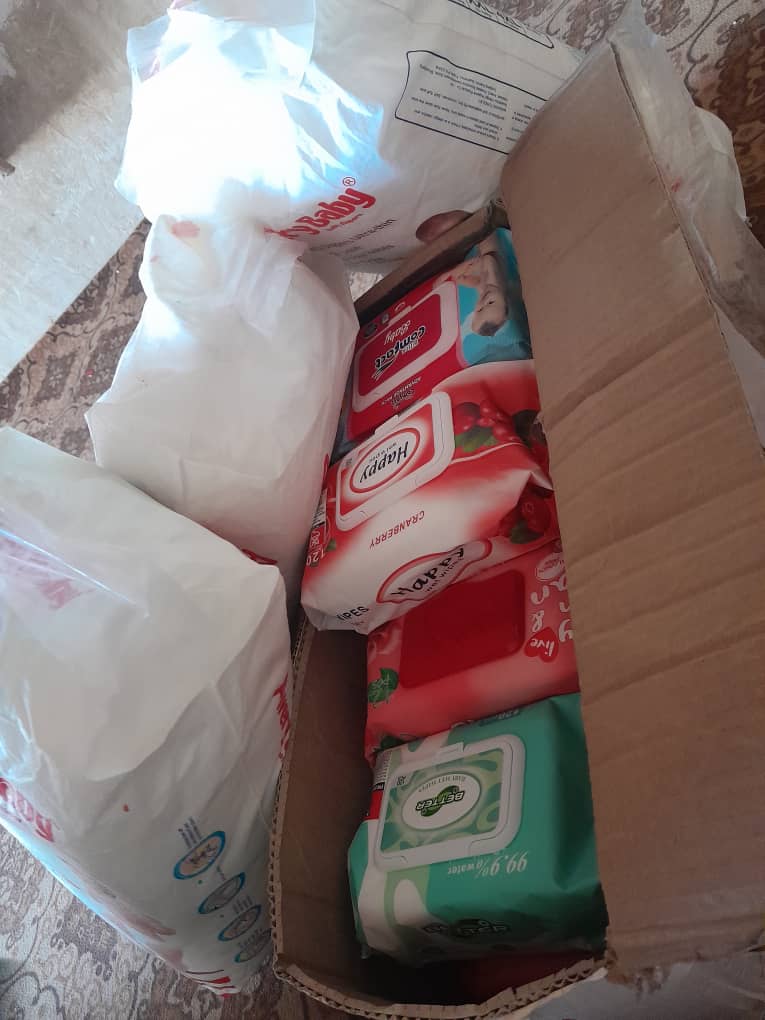
We sent a doctor directly to the village, carrying essential supplies including wipes and diapers. After a full evaluation, it became clear that the child is on the severe end of the autism spectrum and requires constant, structured care.
We then put a system in motion:
- Two of the boy’s aunts were engaged as caregivers and are currently being trained, with monthly stipends provided
- Hands-on training is underway, focused on safety, supervision, and daily structure
- The father received direct guidance on feeding, handling, and long-term care
- A portable toilet is being provided to begin structured toilet training
- Anti-seizure medication is being sourced from Kabul to stabilize his condition
From Restraint to Dignity
This child was not tied because he was unloved.
He was tied because there was no other option.
Today, that reality is changing.
He now has caregivers. He has supervision. He has structure. He has care.
For the first time, his life is not defined by restraint, but by support.
A Lifelong Commitment
AFIA will continue to monitor his condition closely through ongoing follow-up and reporting. We will support his caregivers, continue their training, and ensure that he is protected and cared for over the long term.
We do not walk away.
Why This Matters
This story is not unique.
Across Afghanistan, families face the same reality every day. Not neglect. Not indifference. But poverty, isolation, and the absence of support.
Children are hidden. Families are overwhelmed. And suffering continues quietly, unseen.
AFIA exists to change that.
Be Part of the Change
This child is no longer alone.
But many others still are.
Your support allows us to reach them, to bring care where there is none, and to replace desperation with dignity.
Support AFIA. Change a life.