AFIA AT A GLANCE
AFIA was born from a heartbreaking reality in Afghanistan: autistic children and their families are living through their struggles alone.
There are no public programs, no national awareness, and almost no understanding of autism. Because of this, too many children spend their days unseen, unsupported, and silently suffering in a society that has never been taught to recognize their needs.
AFIA exists to change that silence into compassion.
We provide the essentials that bring immediate relief—hygiene supplies, daily-care support, access to medicine, and modest caregiver stipends that allow parents to stay home and be present for their children. At the same time, we work to open hearts and minds through gentle awareness efforts that reduce stigma and help communities understand what autism truly is.
Our mission is simple and deeply human: to ease suffering, restore dignity, and give Afghanistan’s autistic children the comfort, safety, and hope that every child deserves
Our Story
The Full Journey Behind AFIA
A Father’s Beginning
My journey with autism began the moment my son was diagnosed at around two years old. I was working in my native Afghanistan, serving in demanding national roles, while my wife carried the full weight of our son’s daily care in New York City. As he grew, so did his needs—quietly, steadily, and unmistakably. His world required patience, presence, and full-time attention.
By the time he turned six, the truth became undeniable: my son needed me. Not as a distant provider, but as a father who was present—every hour, every day.
I resigned from my position in the Office of the President of Afghanistan and returned home to care for him.
Nearly a decade has passed since that decision. My son has not been “cured,” but he has grown. He has learned, adapted, laughed, found comfort, and discovered joy. Above all, he is safe, he is understood, and he is loved. His life today is stable, consistent, and dignified—and that, to me, is everything.
Rebuilding My Son’s Life
When I returned to New York, I found a child living in quiet struggle – spending his days mostly indoors, overwhelmed by scattered routines, a severely limited diet, and daily distress.
Patiently, and with unwavering resolve, my wife and I began rebuilding his world.
- We secured services through OPWDD, New York’s developmental-disability agency.
- We trained caregivers who could offer kindness, structure, and predictability.
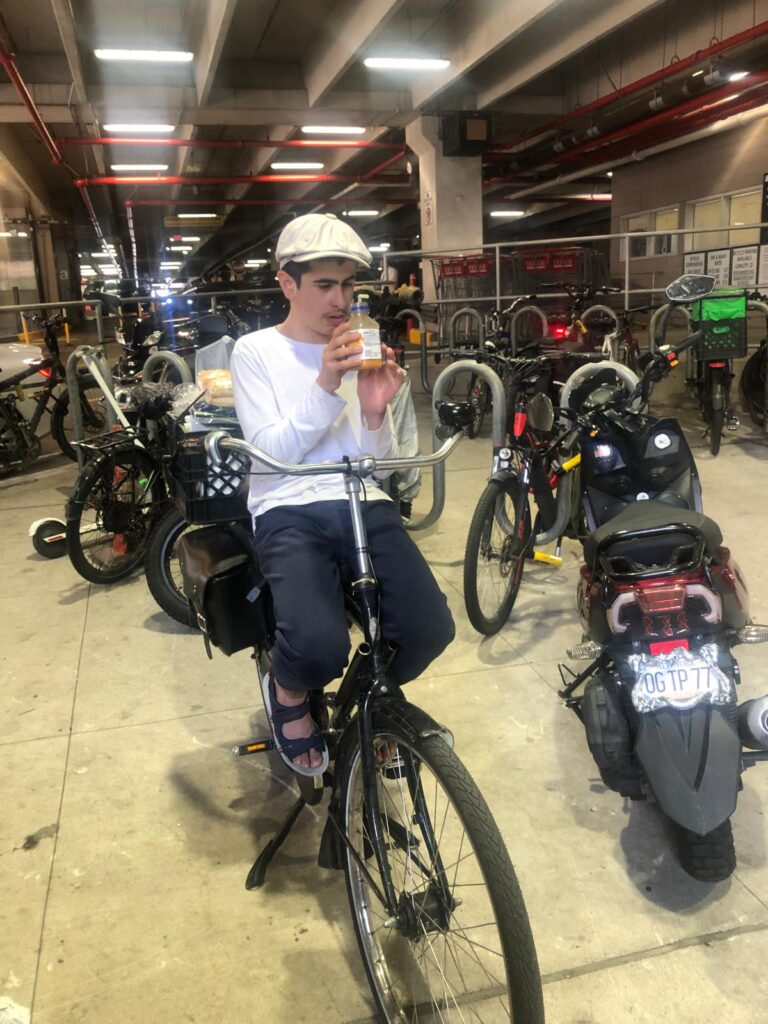
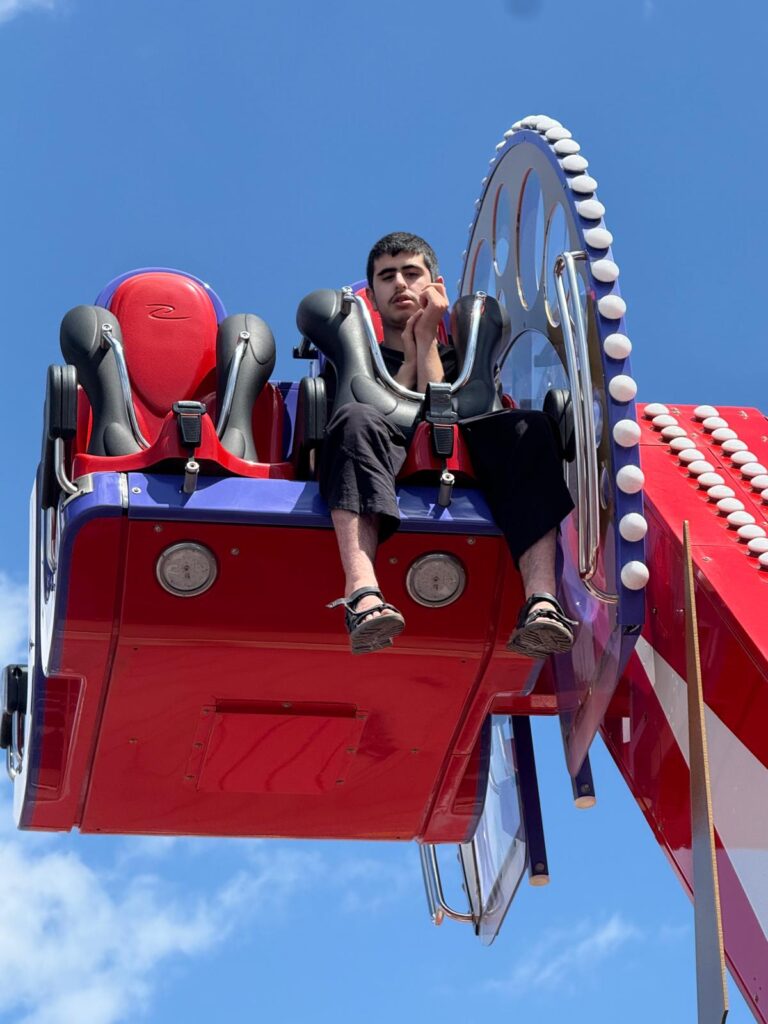
- I introduced him to swimming, biking, horseback riding, shopping trips, children’s parks, beach, and other outdoor activities that slowly expanded his world and brought joy, confidence, and a sense of freedom.
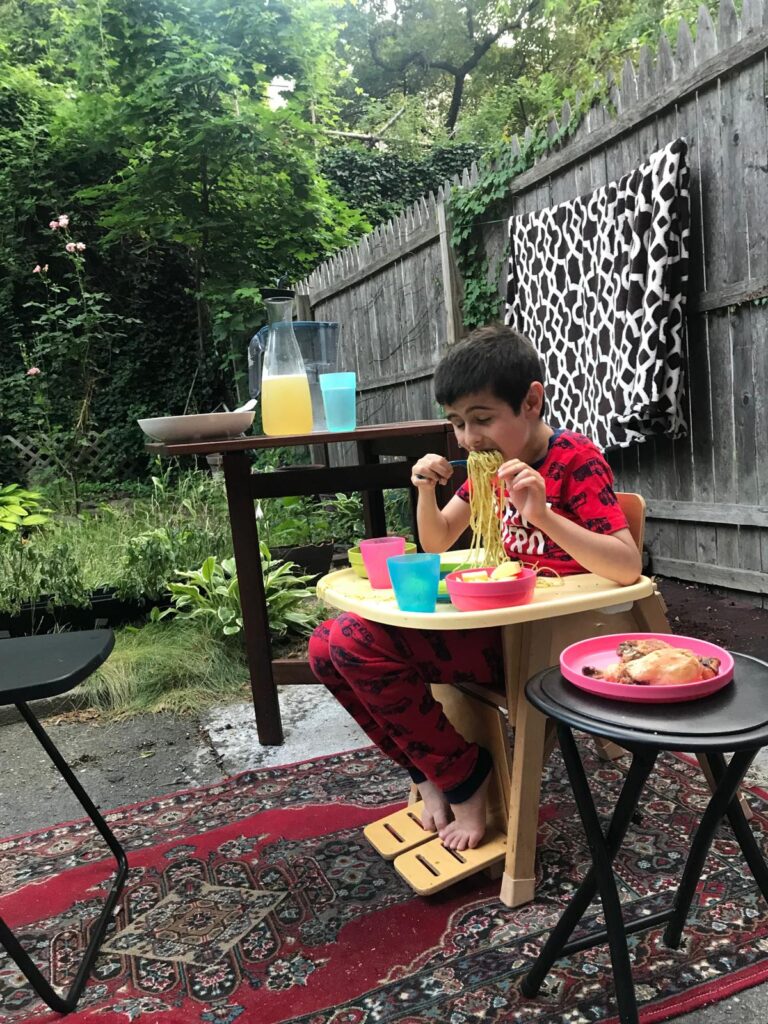
We improved his diet, clothing, sleep, and daily rhythms—creating a life anchored in consistency and predictability.
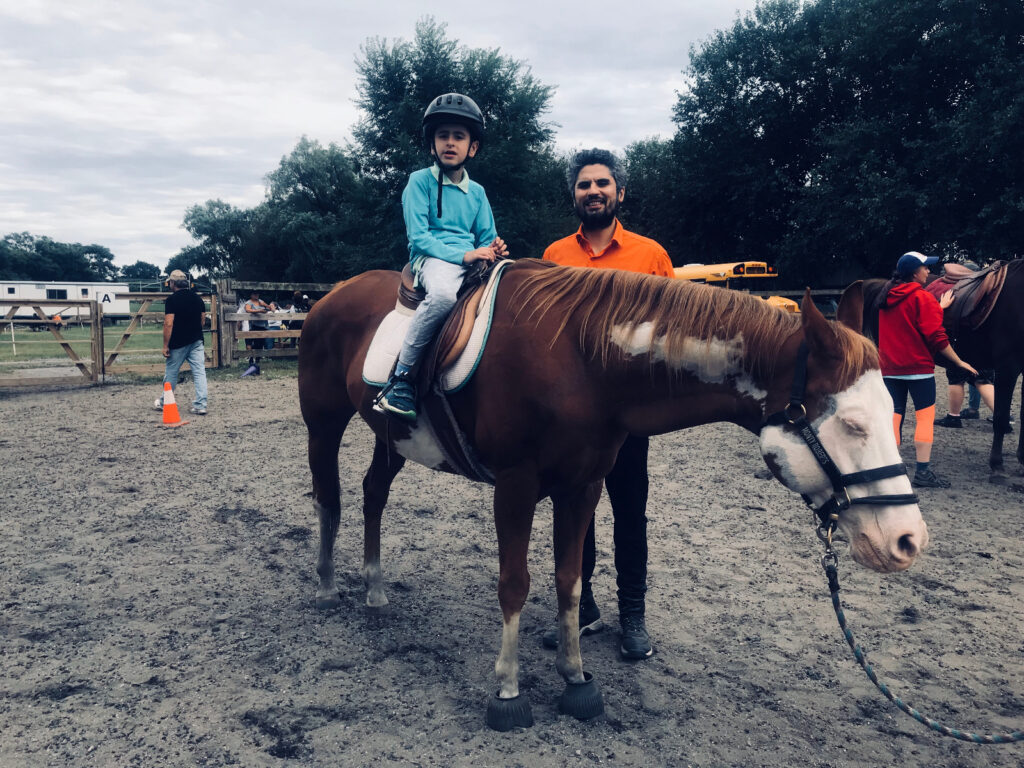
Today, he laughs freely, swims confidently, enjoys parks, beaches, and long walks, and finds comfort in the routines that make him feel safe. His challenges remain, but his world is no longer a place of distress—it is a place of dignity and light.
This journey taught me more than any institution or degree ever could:
- Every autistic child is unique and requires patient, individualized understanding.
- Parents are the most reliable, intuitive, and compassionate caregivers
- Hygiene, caregiving, and medical access are not privileges—they are basic necessities.
- Above all, dignity must sit at the center of care.

The Afghan Reality
My son’s transformation opened my eyes to an unbearable truth: in Afghanistan, children with the same condition live with far fewer chances—and far deeper suffering.
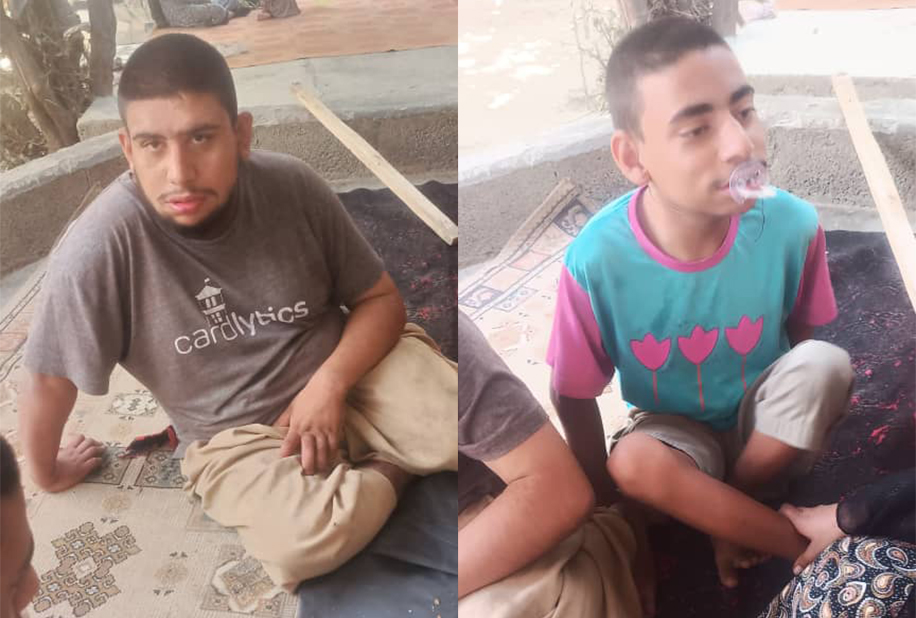
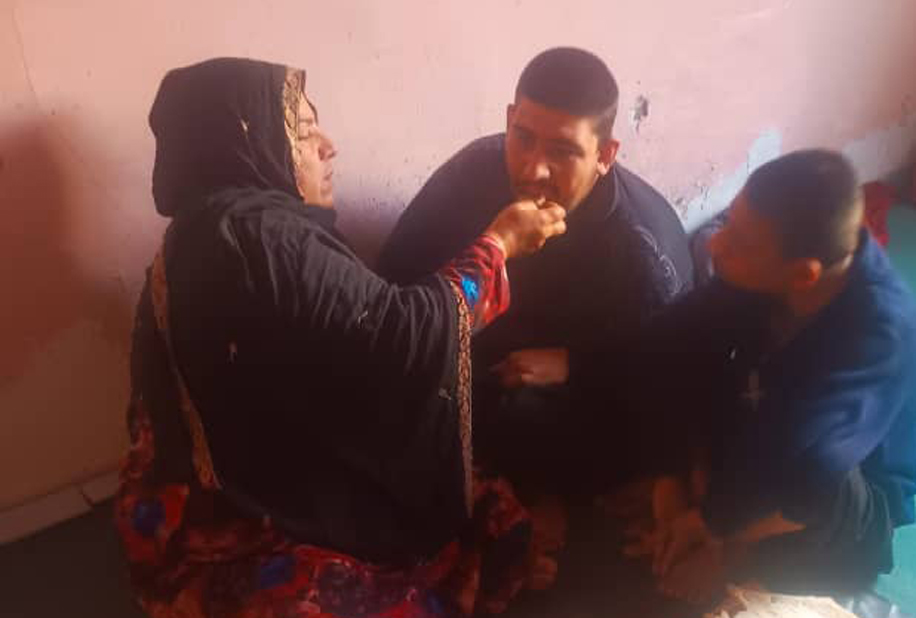
For years, my family has supported a poor household in the slums of Kabul with two autistic children. The assistance we send is small, but for them, it is the difference between hardship and survival: food, medicine, clean clothes, hygiene supplies, and the father’s ability to stay home more often to help his wife care for their children. Even modest help brought meaningful change.
I have encountered other autistic children in Kabul as well. Once, in a public bathhouse, I heard a child making the same sounds my son used to make. I recognized him instantly. The people around him reacted with confusion and impatience—not because they were cruel, but because no one had ever taught them what autism was.
In Afghanistan, there is:
- no dedicated organization
- no government recognition,
- no public program,
- no trained support,
- and widespread stigma and silence.
These children suffer not only because of autism, but because the world around them does not understand them.
They deserve far more than what their environment currently offers.
They deserve dignity, care, and the chance to live without fear or shame.
Why AFIA Was Created
AFIA exists to bring:
- Compassion where there was confusion
- Care where there was neglect
- Awareness where there was ignorance
- Hope where there had been none
We focus on essentials—care, hygiene, health, awareness, and inclusion—so autistic children in Afghanistan can live with safety, tenderness, and dignity.
Our vision is a future where autistic children are recognized, understood, and supported—no longer hidden in silence.